
Start with preschool activities
Sensory bins are more than just a way to keep toddlers occupied; they are hands-on learning tools that build fine motor skills and early cognitive connections. We selected these ten activities by cross-referencing teacher resources from PreKinders with practical home setups found on parenting communities. Our goal was to find bins that use affordable, accessible materials while targeting specific developmental milestones like color recognition, texture exploration, and counting.
Rather than relying on expensive pre-made kits, we prioritized activities that can be assembled with household items or common craft supplies. Each entry includes a clear list of materials and a brief note on the learning outcome, making it easier to choose the right activity for your child’s current interests and skill level. Whether you are looking for a quiet rainy-day project or an active sensory experience, these selections offer a balance of fun and educational value.
10 Sensory Bin Preschool Activities for 2026: Engaging Learning Resources for Toddlers
Sensory bins transform messy play into targeted developmental milestones, offering toddlers a hands-on way to build fine motor skills and early STEM concepts. These 10 curated activities pair specific, commercially available materials with clear learning objectives to ensure every session is both engaging and educationally sound.
1. Kinetic sand with sculpting tools
Kinetic sand mimics wet sand without the mess, allowing toddlers to mold intricate shapes that hold their form. Pair it with sturdy sculpting tools like spatulas and cutters to encourage fine motor precision. This tactile experience supports sensory processing while letting kids explore texture and volume in a contained, clean environment.

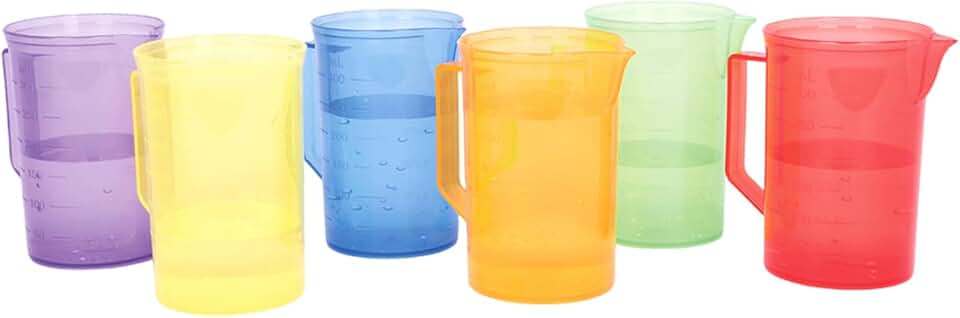
2. Water beads with measuring cups
Water beads offer a cool, slippery texture that fascinates young children while promoting hand-eye coordination. Using measuring cups and spoons transforms play into early math concepts like volume and capacity. Supervision is essential, but this setup provides a refreshing sensory outlet that keeps little hands busy for extended periods.
3. Colored rice with tweezers
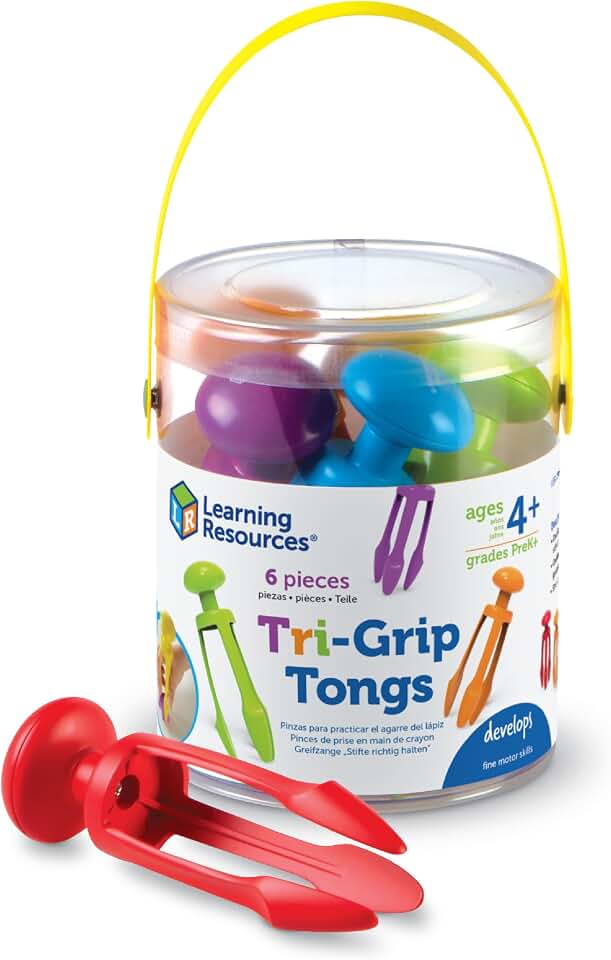
Dyed rice provides a crunchy, flowing texture that delights sensory seekers. Tweezers or tongs challenge toddlers to transfer grains between containers, strengthening the pincer grasp needed for writing. This activity blends color recognition with fine motor skill development, making it a practical tool for preschool readiness.

4. Oatmeal with scoops and funnels
Raw oatmeal offers a soft, grainy texture that is gentle on sensitive hands. Scoops and funnels introduce concepts of flow and containment, encouraging problem-solving as kids figure out how to move the material. This affordable sensory bin supports auditory stimulation as the oats rustle and shift during play.

5. Shaving cream with pipe cleaners
Shaving cream creates a fluffy, cold texture that sparks imaginative play. Pipe cleaners can be pressed into the foam to create instant patterns or sculptures, enhancing tactile discrimination. This activity is quick to set up and clean, making it ideal for spontaneous sensory breaks during busy afternoons.

6. Corn kernels with small spoons
Dry yellow corn kernels offer a crunchy, distinct texture that encourages fine motor precision. Children use small plastic spoons to scoop and transfer the kernels between containers, building hand-eye coordination. The irregular shapes require careful manipulation, making this a tactile exercise in patience and control. It is a simple, low-cost activity that keeps little hands busy while refining dexterity.

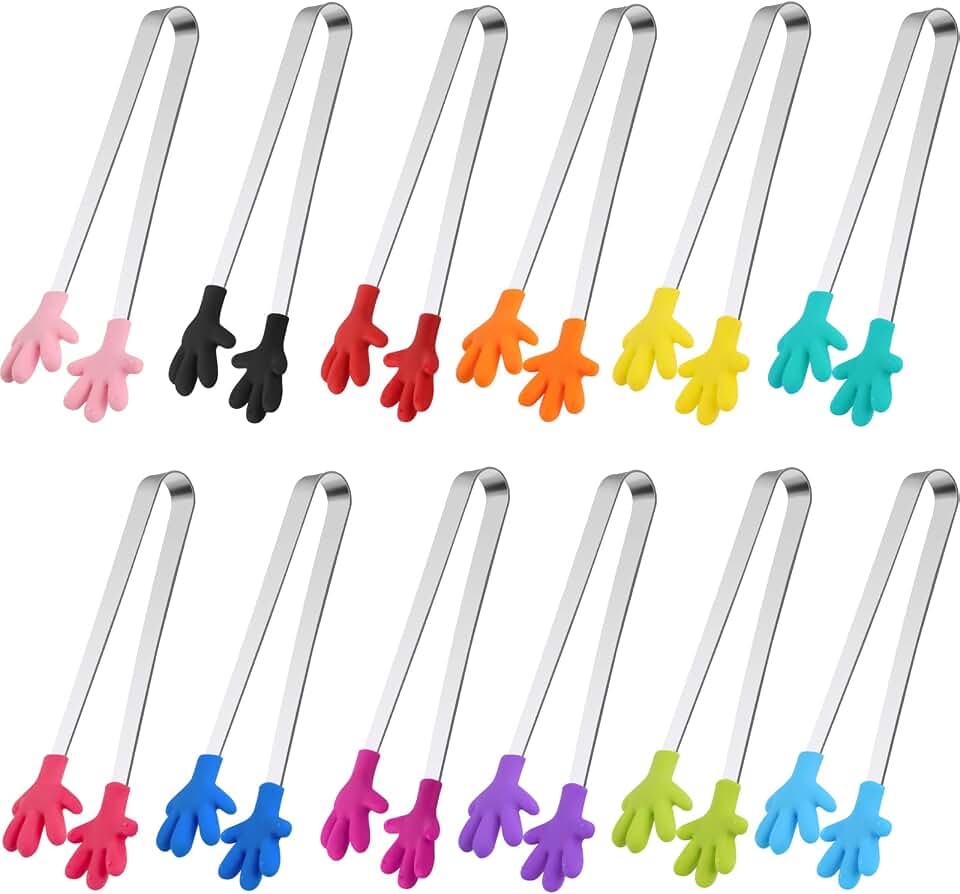
7. Foam balls with tongs
Small, lightweight foam balls provide a soft, safe target for developing pincer grasp. Using kitchen tongs or clothespins to pick up and move these balls strengthens the muscles in fingers and hands. This activity mimics the motion of writing tools, preparing toddlers for future writing tasks. The bright colors add visual appeal, keeping children engaged during repetitive transfer exercises.
8. Gelatin cubes with droppers
Jiggly gelatin cubes create a wobbly, cool sensation that delights sensitive toddlers. Using plastic droppers or pipettes to extract liquid from the cubes adds a layer of scientific exploration. Children observe how the gelatin moves and changes shape, linking cause and effect. This wet sensory play is perfect for warm days, offering a refreshing tactile experience that encourages focused attention.

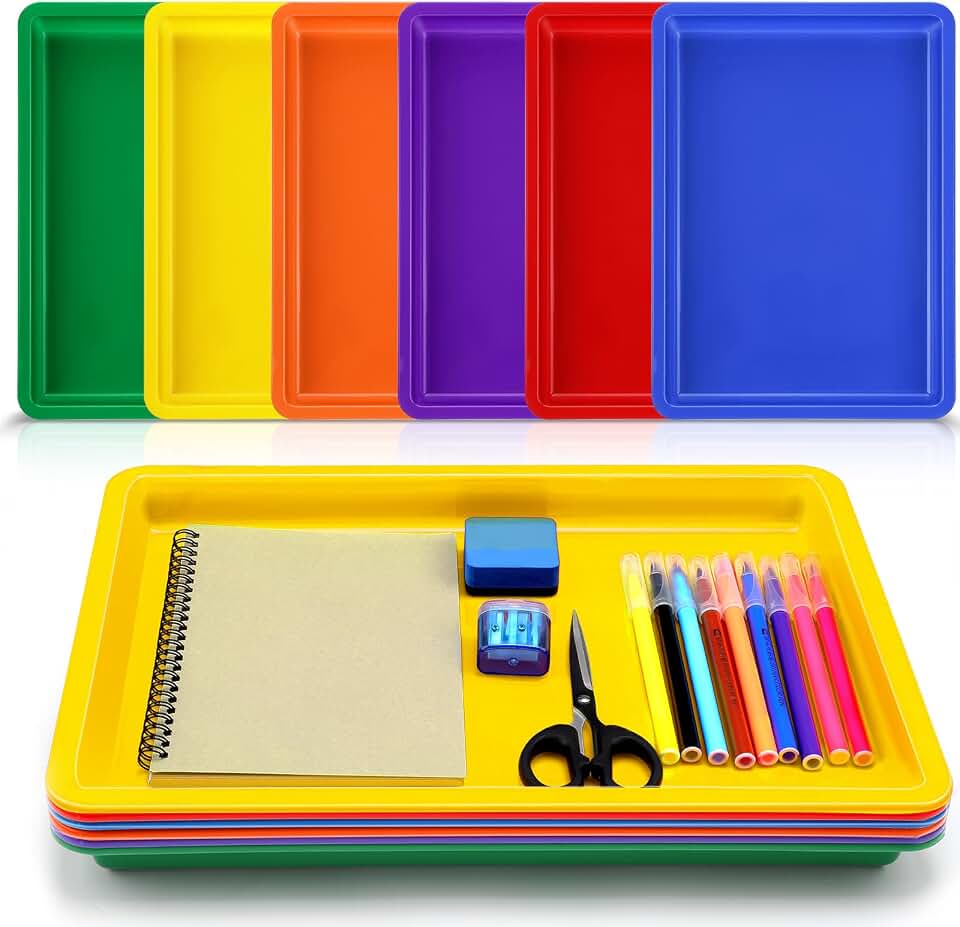
9. Dried beans with sorting trays
Mixed dried beans and peas provide a rich, varied texture for sorting activities. Children use small cups or trays to separate items by color or type, introducing early math concepts. The variety of shapes and sizes challenges their observational skills and classification abilities. This quiet, focused activity promotes concentration and helps refine the delicate movements needed for self-care tasks.
10. Cotton balls with spray bottles
Spraying water onto cotton balls transforms them from fluffy to damp, offering a unique tactile shift. Children practice squeezing spray bottles, which builds hand strength and coordination. The visual change from white fluff to wet clumps fascinates young observers. This activity combines fine motor practice with sensory exploration, encouraging experimentation with cause and effect in a safe, contained environment.

Pick the right sensory bin fit
Choosing a sensory bin setup comes down to matching the materials to the child's developmental stage and the skill you want to reinforce. A bin that works for a 18-month-old exploring textures will quickly become a toy for a four-year-old practicing fine motor precision. Use this framework to narrow down the best option for your classroom or home.
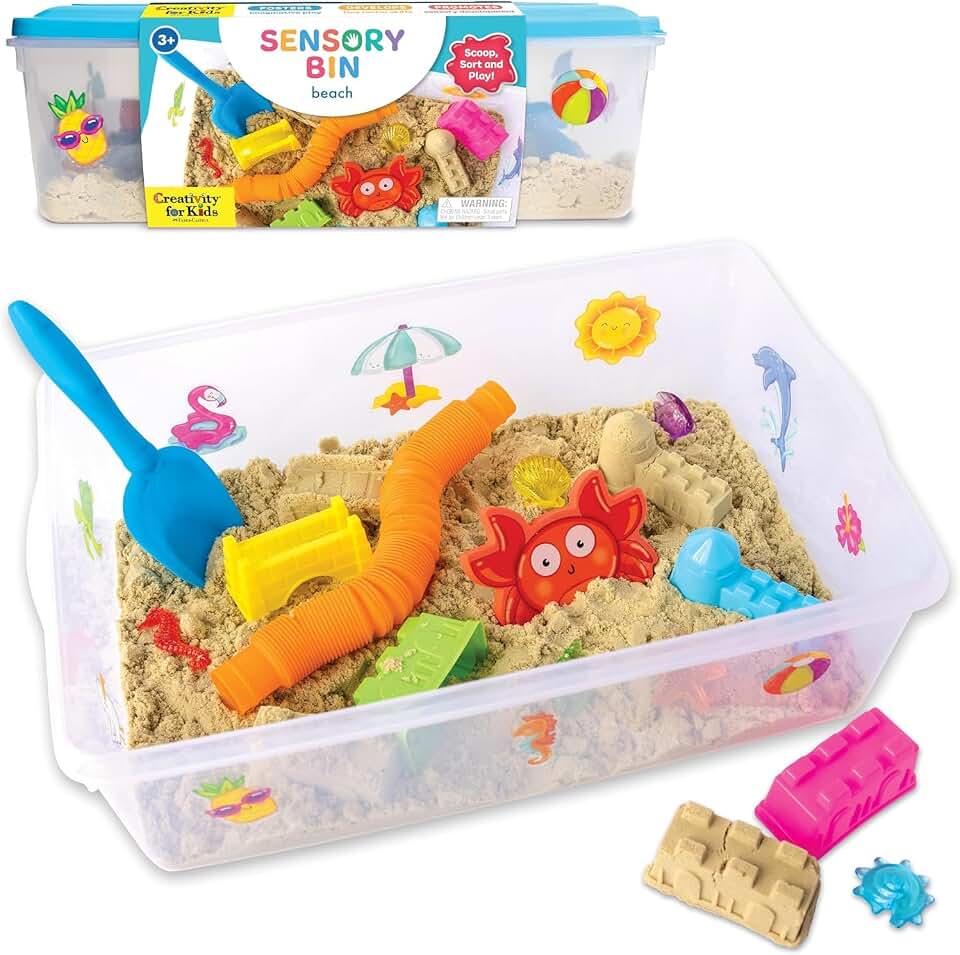
Identify the primary goal before buying materials. Is the aim to strengthen pincer grasp for writing readiness, or to introduce early math concepts like counting and sorting? A bin filled with large scoops and dry beans targets hand strength, while a tray with tweezers and pom-poms refines the precise finger control needed for holding pencils.
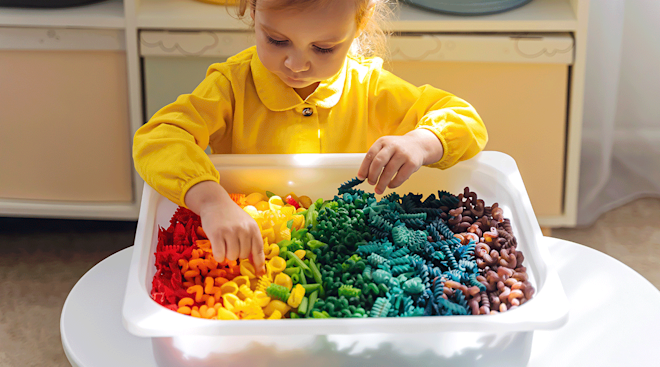
Safety is the non-negotiable first step. For children under three or those who still mouth objects, avoid small beads, buttons, or loose rice. Opt for larger items like pinecones, large wooden blocks, or water beads that are too big to swallow. Always verify that materials are non-toxic and free of sharp edges, especially if the bin includes tools like spoons or tongs.
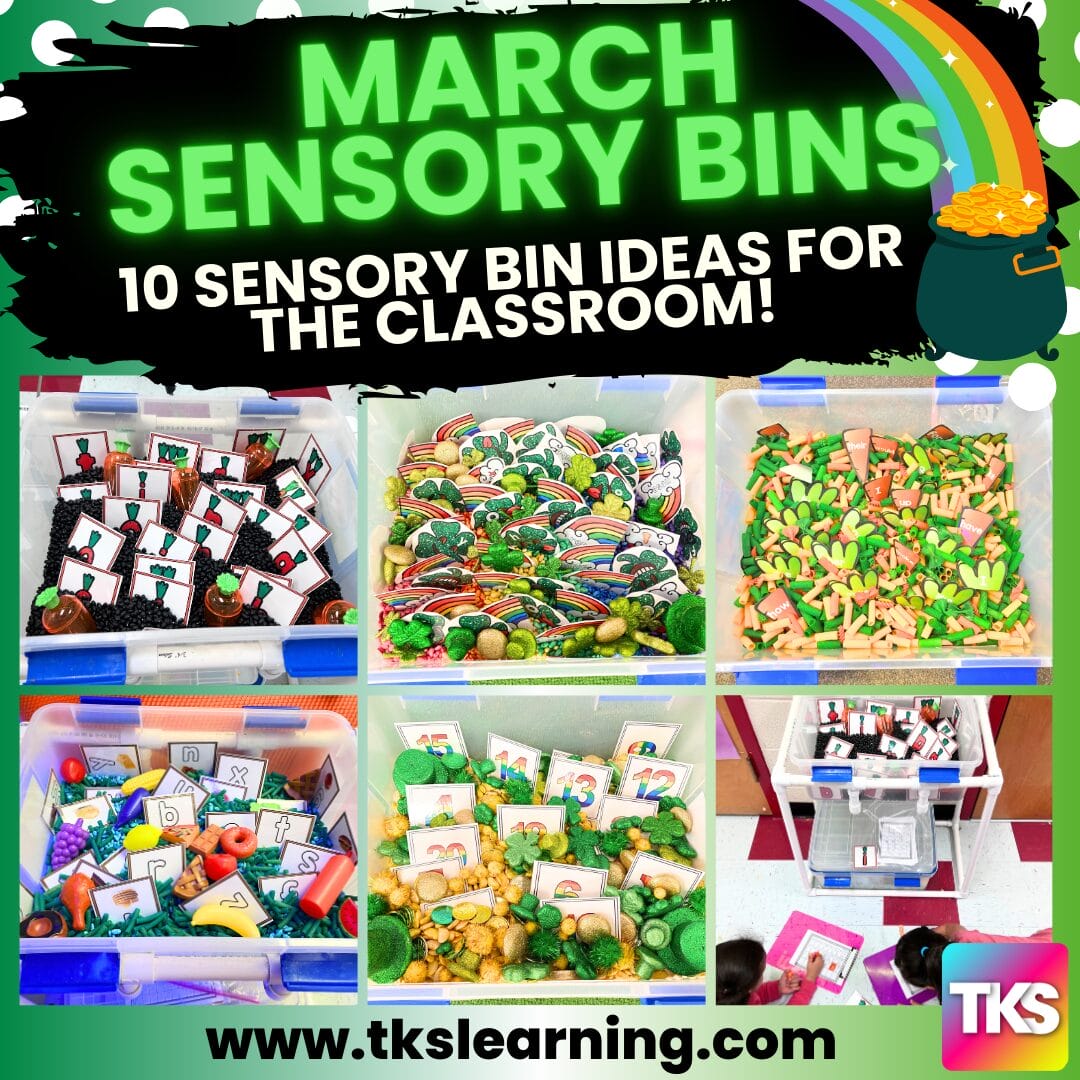
The container needs to be deep enough to hold the filler without spilling during enthusiastic play, yet shallow enough for small hands to reach the bottom. Clear plastic tubs with snap-on lids are ideal for storage and visibility. If using water-based fillers like jelly beads or colored water, ensure the bin is waterproof and easy to rinse out to prevent mold or staining.


As an Amazon Associate, we may earn from qualifying purchases.
No comments yet. Be the first to share your thoughts!