

Winter Doesn't Have to Mean Cabin Fever: Fun for Little Ones
Winter with preschoolers can be a lot. Their endless energy, need for constant activity, and feeling cooped up can be challenging for parents. This can be challenging! But it doesn't have to mean cabin fever and frustration. There are ways to make winter fun and engaging for your little ones, and to preserve your sanity.
This article is packed with 15 easy indoor activities designed to beat the winter blues. We focus on activities that use readily available materials, require minimal setup, and will keep your preschooler entertained and learning. We cover sensory play, STEM challenges, creative crafts, and active games.
A few well-chosen activities can transform a dreary winter day into a joyful learning experience. The goal is to provide opportunities for exploration, creativity, and connection. Let's make this winter a little brighter for everyone.
Melting Magic: Sensory Exploration with Ice and Snow
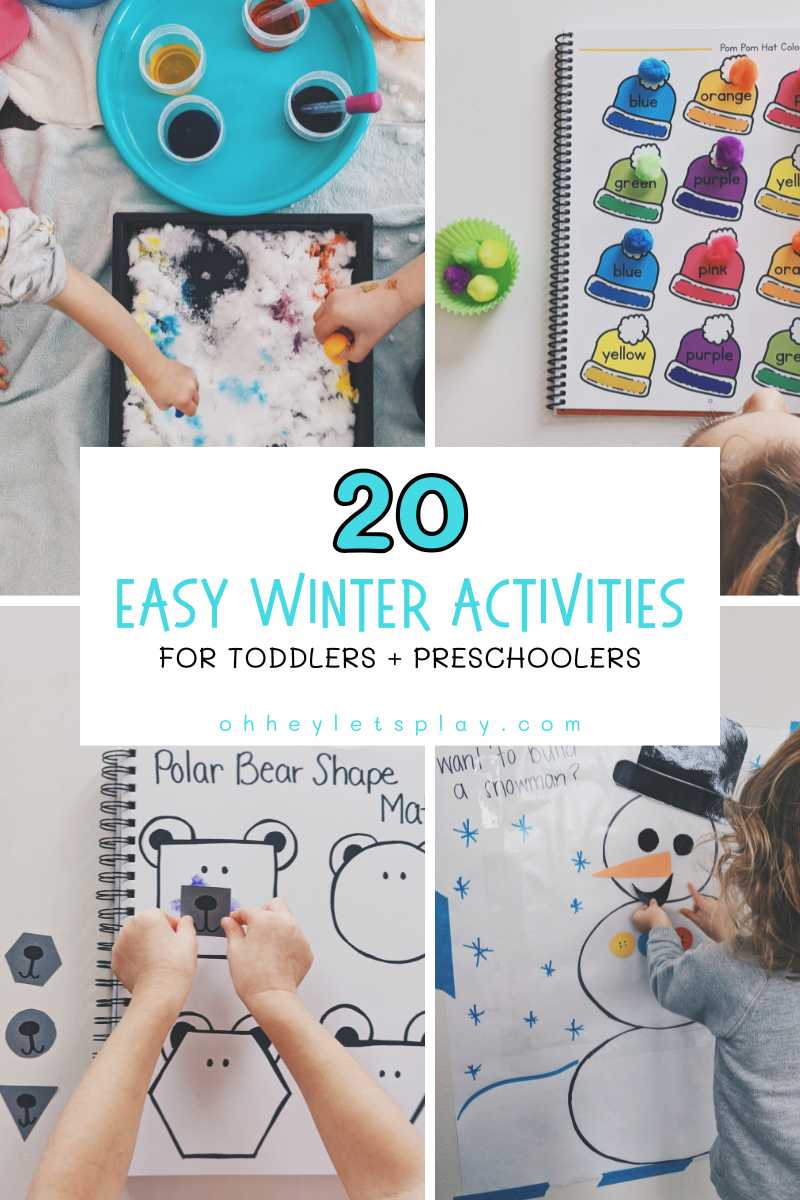
Preschoolers love ice and snow. Their textures, temperatures, and how it changes create a sensory wonderland. Bringing that wonder indoors is easier than you think. Sensory play is important for development, helping children explore their world and build skills.
One simple activity is 'Arctic Water Play.' Fill a bin with water, add some blue food coloring, and toss in ice cubes. Include small arctic animals like penguins, polar bears, and seals. Let your child explore the cold water and play with the animals. This introduces concepts like freezing and melting. You can even add some glitter for extra sparkle!
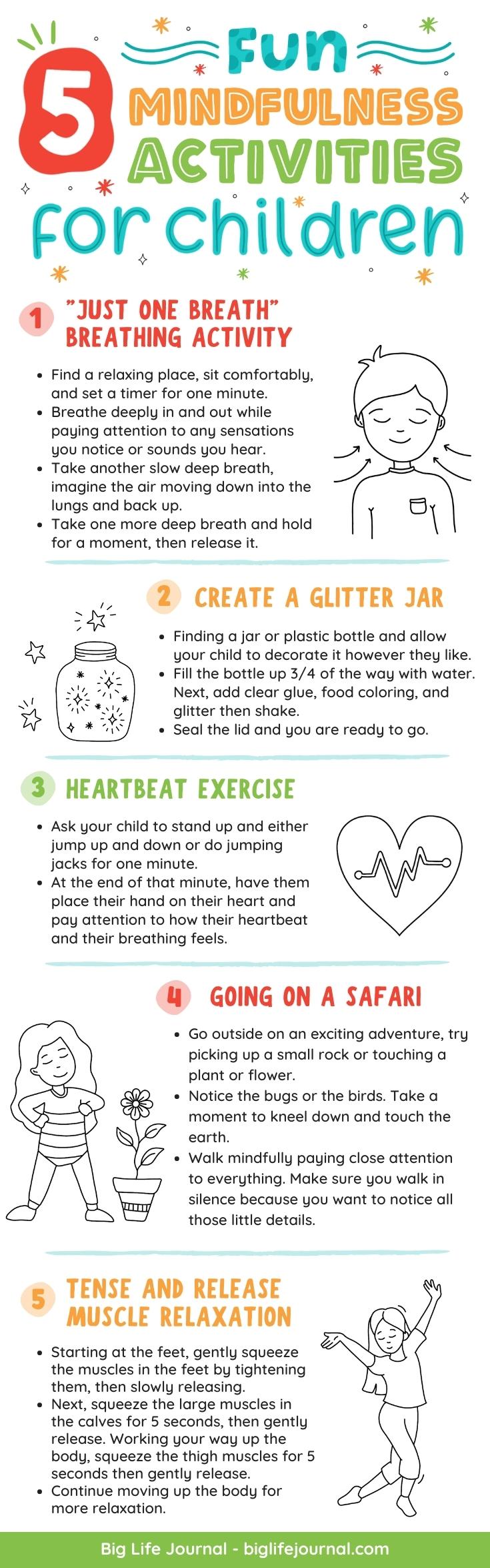
Another fun option is a 'Snowstorm in a Jar.' Fill a jar with water, add glitter (lots of glitter!), and a few small winter-themed toys. Seal the jar tightly and let your child shake it up to create a swirling snowstorm. This activity is visually stimulating and encourages scientific thinking. A variation is freezing small toys inside the ice for a rescue mission.
Don’t underestimate the power of a simple frozen pom-pom rescue. Freeze colorful pom-poms in a container of water. Give your child tools like small hammers, spray bottles with warm water, or even just their hands to "rescue" the pom-poms. This activity develops fine motor skills and problem-solving.
- Arctic Water Play: Colored water, ice, arctic animals
- Snowstorm in a Jar: Water, glitter, small toys
- Frozen Pom-Pom Rescue: Pom-poms frozen in ice, rescue tools
Building Brains: STEM Challenges for Little Engineers
STEM doesn’t have to mean complicated experiments. Even simple activities can introduce preschoolers to important concepts in science, technology, engineering, and math. Encourage problem-solving, critical thinking, and creativity. Play is learning at this age.
The 'Frozen Pom-Pom Rescue' activity from the previous section also fits perfectly here. This challenges children to figure out how to free the pom-poms from the ice, experimenting with different tools and methods. This introduces the concept of cause and effect.
Ice excavation is another engaging activity. Freeze small toys (plastic animals, LEGOs, etc.) in a block of ice. Provide your child with tools like a small hammer (with supervision!), a spoon, or warm water to excavate the toys. This activity encourages problem-solving and fine motor skills. Discuss how the ice melts and changes state.
For a more artistic STEM activity, try snowflake symmetry art. Fold a piece of paper in half, then in half again. Have your child cut designs along the edges. When you unfold the paper, you’ll reveal a symmetrical snowflake. This introduces the concept of symmetry. Have a few practice sheets available.
- Frozen Pom-Pom Rescue: Problem-solving, fine motor skills
- Ice Excavation: Cause and effect, tool use
- Snowflake Symmetry Art: Geometry, symmetry
What Kind of Winter STEM Explorer is Your Preschooler?
Winter days can sometimes mean being stuck indoors, but that doesn't mean the learning has to stop! Does your little one love to build towering creations, investigate how things work, or create beautiful artwork? This quick quiz will help you discover your preschooler’s STEM explorer type and suggest some fun winter activities to match their interests!
Get Moving! Indoor Activities to Burn Off Energy
Preschoolers have a lot of energy. And when you’re stuck indoors, that energy needs an outlet. It’s important to incorporate physical activity into your daily routine, even when you can’t go outside. It’s not just about burning energy; it’s about developing gross motor skills and coordination.
A living room obstacle course is a classic for a reason. Use pillows, blankets, furniture, and toys to create a course for your child to navigate. Encourage them to crawl under tables, jump over pillows, and weave between chairs. It’s simple, adaptable, and provides a great workout. If space is limited, focus on a smaller, more focused course.
A winter wonderland dance party is another fun option. Put on some upbeat, winter-themed music and let your child dance and move freely. You can even add props like scarves or ribbons to encourage creative movement. This is a great way to get everyone involved and have some fun together.
Polar bear parades are a silly and engaging activity. Have your child pretend to be a polar bear and march around the house. You can even add some "snow" (cotton balls or white pom-poms) to the parade route. Indoor sled races, using blankets or cardboard boxes as sleds, are also a hit if you have the space.
Let's Get Crafty: Winter-Themed Art Projects
Crafts are a wonderful way to encourage creativity, fine motor skills, and self-expression. Winter provides a wealth of inspiration for art projects. Remember that the process is more important than the product, so let your child explore and experiment. I always find that embracing the mess makes things easier!
Snowflake crafts are a must-do during the winter months. Paper snowflakes are a classic, but you can also try beaded snowflakes (using pipe cleaners and beads) or snowflake collages (using glitter, sequins, and other embellishments). Encourage your child to experiment with different designs and materials.
Snowman building is another fun activity. You can use playdough, cotton balls, or recycled materials (like empty toilet paper rolls) to build snowmen. Let your child decorate their snowman with buttons, scarves, and hats. It's a good idea to have a variety of materials available.
Winter animal crafts are also popular. Paper plate penguins, handprint polar bears, and cotton ball snow owls are all easy and engaging projects. Frozen art is a unique option – freeze water with food coloring in containers and let your child paint with the ice cubes. It’s a bit messy, but a lot of fun. To minimize mess, cover your work surface with newspaper or a plastic tablecloth.
- Snowflake Crafts: Paper, beads, glitter
- Snowman Building: Playdough, cotton balls, recycled materials
- Winter Animal Crafts: Paper plates, handprints
- Frozen Art: Ice cubes with food coloring
Winter Preschool Fun!
- Arctic Water Play - Bring the chill indoors! Use a plastic bin and add water, ice cubes, and small arctic animal figurines from Schleich or Learning Resources. Add blue food coloring for extra effect.
- Winter Sensory Bin - Fill a bin with white or light blue playdough (Play-Doh brand is popular) and add blue gems, mini winter-themed erasers (from Melissa & Doug), pom-poms, and small twigs for exploration.
- Snowstorm in a Jar - A simple science experiment! Fill a jar with water, add glitter (fine glitter from Michaels works well), and a drop of dish soap. Seal tightly and let little ones shake to create a 'snowstorm'.
- Frozen Pom-Pom Rescue - Freeze small pom-poms (from Crafts by Amanda) in water in an ice tray or container. Provide children with small tools like droppers, spray bottles filled with warm water, or small spoons to 'rescue' the pom-poms.
- Ice Rescue Game - Freeze small winter-themed erasers (like snowflakes or penguins from Amazon) in a block of ice. Children use salt and small tools to melt the ice and rescue the erasers. Discuss how salt affects ice!
- Winter Crafts with Basic Supplies - Utilize your winter craft kit! Washable paints, construction paper, glitter, glue sticks, safety scissors, pom-poms, cotton balls, pipe cleaners, and googly eyes (available at Walmart) can be used to create snowflakes, snowmen, or winter scenes.
- Snowflake Symmetry Painting - Fold a piece of paper in half and have children paint one side. While the paint is still wet, fold the paper over to create a symmetrical snowflake design. Use Crayola washable paints for easy cleanup.
Imagination Station: Dramatic Play and Games for Snowy Days
Dramatic play is essential for preschoolers’ development. It allows them to explore different roles, practice social skills, and develop their imaginations. It’s also a great way to keep them entertained on a snowy day. The more open-ended the play, the better.
Ice fishing games are a fun and engaging activity. Create "fish’ out of paper and attach paper clips to them. Use a magnet on a string as a fishing pole. Let your child ‘fish’ for the fish. This encourages hand-eye coordination and imaginative play. You can even hide the fish in a sensory bin filled with ‘snow" (cotton balls or packing peanuts).
Construction snow play is another option. Provide your child with blocks, LEGOs, or other building materials and encourage them to build a "snow fort’ or a ‘winter village.’ This fosters creativity and problem-solving skills. It"s also a great way to encourage cooperative play.
Indoor scavenger hunts are always a hit. Hide winter-themed objects around the house and give your child clues to find them. Building a cozy "winter cabin" with blankets, pillows, and stuffed animals is also a great way to encourage imaginative play. This creates a comfortable and inviting space for your child to relax and play.
Cozy Corner: Books, Songs, and Quiet Time Activities
While active play is important, it’s also essential to balance it with quieter activities. Downtime allows preschoolers to relax, recharge, and develop their imaginations. Creating a cozy corner with books, blankets, and pillows can encourage quiet time.
Reading winter-themed books is a great way to introduce seasonal concepts and foster a love of reading. Some excellent choices include 'The Snowy Day' by Ezra Jack Keats, a classic that beautifully captures the wonder of a snowy day, and 'Snowmen at Night' by Caralyn Buehner, a whimsical story about what snowmen do while we sleep. 'Bear Snores On' by Karma Wilson is another favorite.
Singing winter songs and rhymes is a fun and engaging activity. There are many traditional winter songs, as well as original songs available online. Simple activities like sticker play, coloring, and simple puzzles are also great options for quiet time. Providing a variety of materials keeps things interesting.
I think it’s important to remember that quiet time isn’t just about keeping kids occupied. It’s about providing them with opportunities to relax, reflect, and develop their imaginations. It’s also a good time for you to take a break and recharge!
Winter Wonderland: Essential Supplies for Cozy Preschool Fun
Includes 6 pretend snowflake cookies · Durable wooden construction · Encourages imaginative play and fine motor skills
This play food set is perfect for a winter-themed dramatic play center, allowing preschoolers to engage in imaginative baking and serving.
Stunning photographs of arctic wildlife · Age-appropriate facts about polar bears, seals, and more · Engaging and informative content for young readers
This book introduces preschoolers to the fascinating animals of the Arctic, aligning with winter themes and fostering early learning.
Classic Caldecott Medal winner · Beautiful illustrations depicting a child's joy in the snow · Simple, evocative language perfect for young children
A beloved classic, this book captures the magic of a snowy day and is ideal for reading aloud during winter story time.
Includes 5 cans of Play-Doh in winter-themed colors · Sparkly and textured compounds for sensory play · Non-toxic and safe for children
These special winter-themed Play-Doh colors provide a tactile and creative outlet for preschoolers to sculpt their own snowy scenes.
Warm and insulated materials · Includes matching hat and mittens · Available in various colors and sizes for children
This cozy set is perfect for encouraging outdoor winter play, even on chilly days, and can be incorporated into imaginative dress-up games.
As an Amazon Associate I earn from qualifying purchases. Prices may vary.
Adapting Activities for Different Ages & Abilities
Every preschooler is different. Some are more advanced than others, and some have different abilities. It’s important to adapt activities to meet the needs of each child. This ensures that everyone can participate and enjoy the fun.
For 3-year-olds, simplify the activities and provide more assistance. For example, with snowflake crafts, you might pre-fold the paper for them or help them with the cutting. With STEM challenges, focus on the exploration aspect rather than the problem-solving. Focus on sensory exploration and free-form play.
For 5-year-olds, offer more challenging versions of the activities. For example, with snowflake symmetry art, encourage them to create more complex designs. With STEM challenges, encourage them to experiment with different solutions and explain their reasoning. Give them more independent work time.
To modify activities for children with different abilities, consider their individual needs. For example, if a child has difficulty with fine motor skills, provide them with larger tools or adaptive equipment. If a child has sensory sensitivities, offer them alternative materials or activities. The goal is to create an inclusive and enjoyable experience for everyone.
No comments yet. Be the first to share your thoughts!